Document condition first
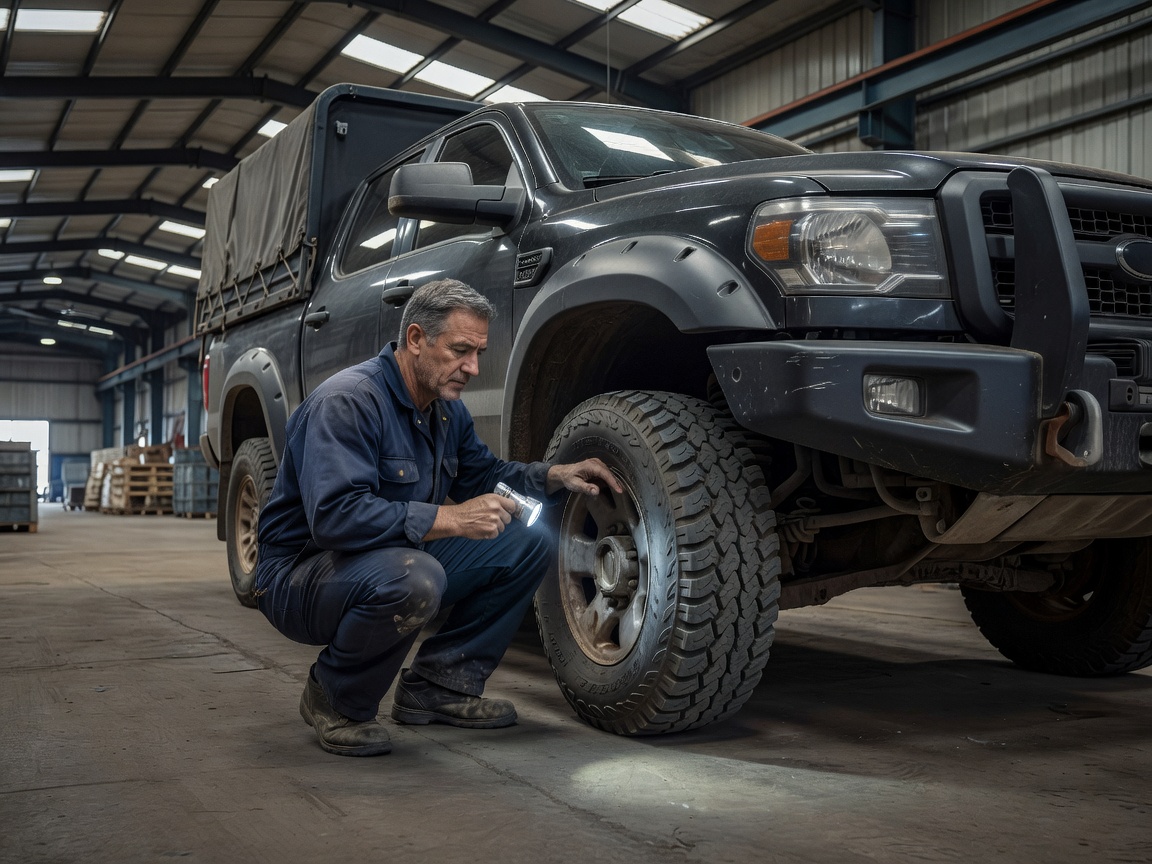
Wash the vehicle if practical, then photograph each side, the roof, wheels, glass and interior. Include close-ups of existing scratches, dents or chips. Record the date and retain the images. A written condition report should match what the photographs show, including damage that is easy to miss in poor light.
Remove what doesn’t travel well
Take out personal belongings, valuables, loose tools, roof-box contents and removable accessories unless the arrangement specifically says otherwise. Check door pockets, boot compartments and under-seat storage. The carrier is moving the vehicle, not acting as a mobile lost-property office.
Mechanical and electrical preparation
Follow the provider’s instructions about fuel. Generally, the vehicle needs enough for loading and positioning but should not be unnecessarily full. Check tyre condition and make sure the vehicle can roll, steer and brake if that is expected. Declare leaks, warning lights, mechanical faults and disabled status before collection.
Disable alarms where possible and explain how to operate them. Supply the required keys, including wheel-lock or security keys, and label them clearly. For an electric vehicle, discuss its charge level, charging cable and any special movement instructions. Do not assume a carrier can charge it during transit.
Small details that matter
- Note vehicle height, width, length and unusual attachments.
- Secure or remove loose spoilers, aerials, mirrors and convertible roof items as appropriate.
- Declare low clearance, non-standard wheels and disabled controls.
- Confirm whether a charging cable, spare key or alarm fob is required.
- Provide a reachable collection and delivery contact.
- Keep registration, ownership and transport paperwork available.
Handover checklist
- Walk around the vehicle with the collecting representative.
- Compare the written condition report with your photographs.
- Record mileage if required by the agreement.
- Confirm keys and accessories handed over.
- Keep a copy of the signed collection record.
- Repeat the inspection at delivery before signing.
If the vehicle cannot start, roll or steer, tell the provider early. Loading may require a winch, skates or different positioning, and access becomes more important. Honest detail at booking is kinder than an unpleasant surprise at the kerb.